Book Chapter
Textual Discrepancies, Historical Distortions: Martial Law Period Narratives in Philippine History Textbooks
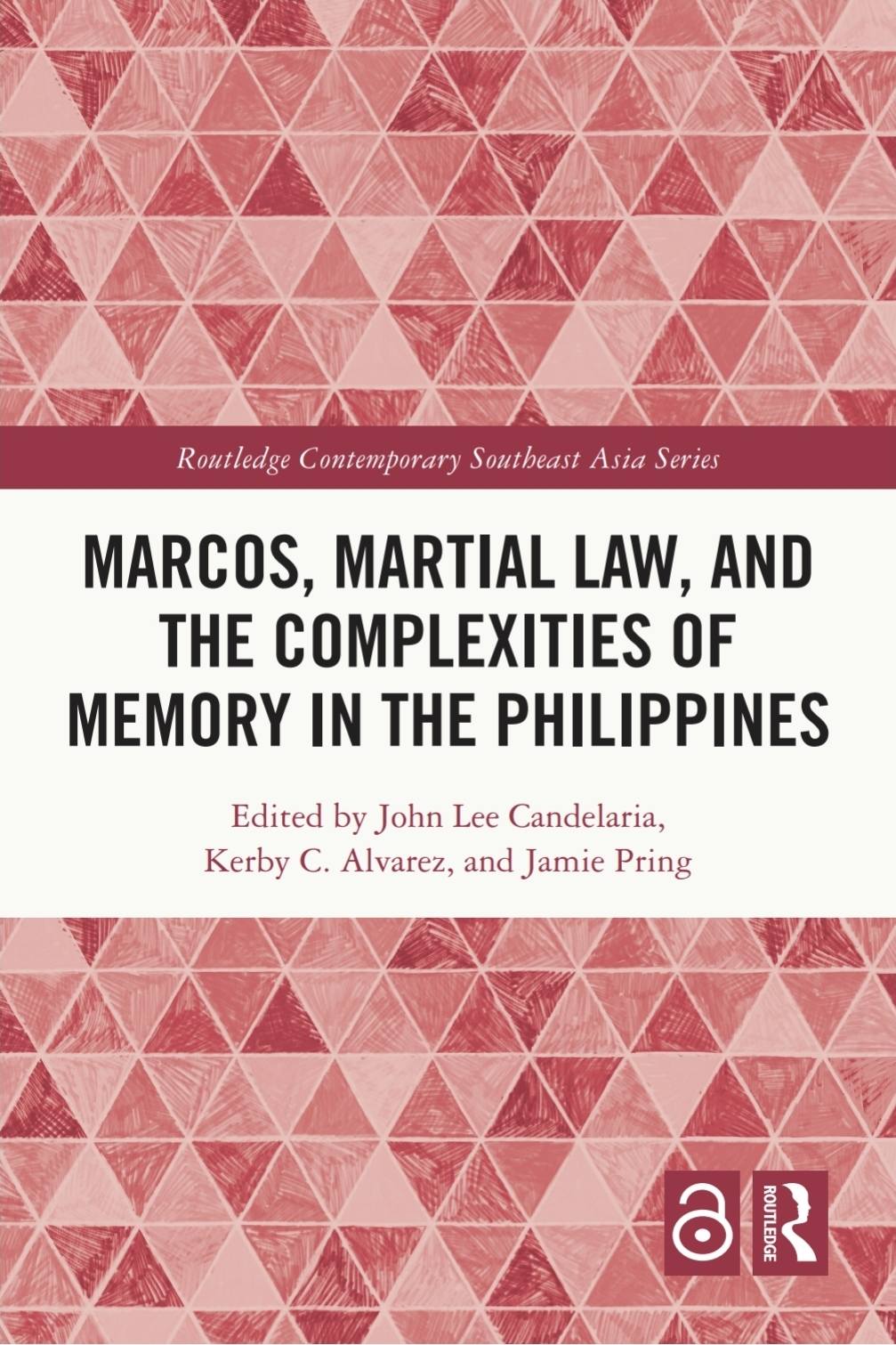
Marcos, Martial Law, and the Complexities of Memory in the Philippines
Abstract
This chapter critically reviews narratives of the Martial Law period in selected Grade 6 Philippine history textbooks, foregrounding how essential yet controversial topics about this contested period are discussed by textbook authors. The review grapples with four key questions: How do textbook authors describe the Marcos authoritarian regime, the Martial Law period, and the EDSA People Power Revolution? What is included and excluded in the textbooks' overall narrative about these tumultuous years? Are there historical discrepancies and distortions found in the narratives of the textbooks examined? To what extent do these narratives perpetuate historical myths, silences, and inconsistencies? By answering these questions, the chapter aims to contribute to the existing academic conversation on the representation of the Martial Law period in textbooks. It also seeks to offer a new perspective on how textbook narratives about this period in contemporary Philippine history are constructed.
Read the publication
View Publication
Reach out to the researchers:



Francisco Jayme Paolo A. Guiang
faguiang@up.edu.ph
Aaron F. Viernes
afviernes@up.edu.ph
Dondy Pepito G. Ramos II
dgramos@up.edu.ph