Journal Article
Is Sungka a Wargame? An Investigation into Conflict and Strategy within Pre-Colonial Philippine Ludic Culture
Banwaan: The Philippine Journal of Folklore
Abstract
This paper intends to analyze the Philippine folk game known as sungka within the context of an indigenous culture of conflict encountered by the Spaniards in the 16th century. It explores parallelisms between a unique Philippine discourse on war and the game’s ludic dimension, primarily focused on its in-game lexicon and its rules of play. The paper argues that sungka reflected—if not reinforced—specific attitudes and approaches towards competitive activities, including conflict, due to several unique elements of the game: a) a focus on resource acquisition and circulation, b) relatively weak spatial considerations, and c) an ability to reverse prior setbacks in what is usually a drawn-out competition between two individuals. A correlation thus seems to exist between the strategic thinking extant in sungka and the indigenous methods of waging war. The paper is inspired by a gap in the works of Isabelo de los Reyes. His planned multi-volume work on Filipino folklore included a tome on what he referred to as “folk wit.” This volume would have included children’s games—such as sungka—but the currents of history swept Don Belong’s plans aside. This paper contributes to the legacy of his unfinished work by building on Mellie Leandicho Lopez’s studies of Filipino folk games and thus takes a tentative step towards connecting Philippine leisure culture to Philippine warfare.
Keywords
sungka
folk game
wargame
warfare
strategy
Read the publication
View Publication
Reach out to the researchers:
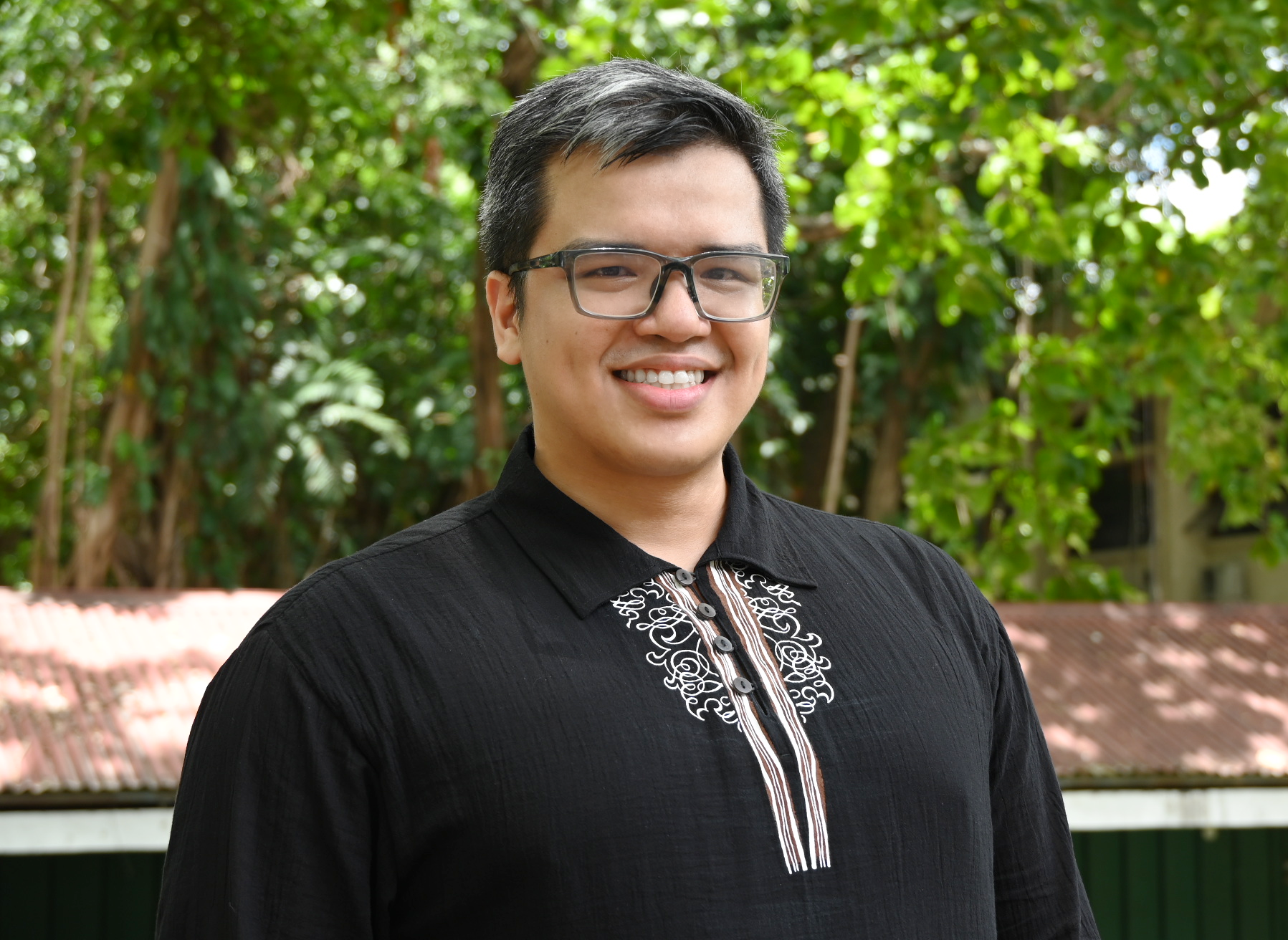
Micah Jeiel R. Perez
mrperez@up.edu.ph