Essays in Food and Ethnographic Paraphernalia
Food and Ethnographic Paraphernalia
Plants that heal, plants that nourish 🌿
The Department of History, UP Diliman shares two essays by Dr. Ma. Mercedes G. Planta in Food and Ethnographic Paraphernalia (2025), released under the Museo ng Kaalamang Katutubó imprint.
Food and Ethnographic Paraphernalia is a book about food—and the material culture that surrounds it. It brings together essays by academics and cultural professionals and pairs them with ethnographic objects held in trust by the Museo ng Kaalamang Katutubó, inviting readers into a conversation about food, objects, and everyday life in the Philippines.
In “Interface: Plants that Heal, Plants that Nourish,” Dr. Planta examines the long-standing overlap between food and medicine in the Philippines—how everyday plants in the Filipino diet have also functioned as remedies, preventives, and sources of well-being across centuries. Drawing from historical records, missionary pharmacopoeias, and contemporary scientific research, the essay shows how Filipino plant knowledge consistently blurs the boundary between nourishment and healing. From bawang or garlic (Allium sativum), ampalaya or bitter gourd (Momordica charantia), and bayabas or guava (Psidium guajava), to malunggay or moringa (Moringa oleifera) and siling labuyo or Filipino bird’s eye chili (Capsicum frutescens), plants emerge not merely as ingredients or cures, but as part of the Filipinos’ way of life shaped by the Philippines’ rich biodiversity, environment, and experience.
The essay “Remarkable Three” turns to three of the Philippines’ most enduring plants—langka or jackfruit (Artocarpus heterophyllus), niyog or coconut (Cocos nucifera), and saging or banana (Musa × paradisiaca)—to show how these familiar staples have long sustained Filipino households as part of everyday food and medicine. Consumed regularly yet rich in therapeutic value, these plants reveal how nourishment, healing, and survival have always been closely intertwined.
The banana, in particular, later entered wider circuits of knowledge. Introduced to the Western world—particularly Europe—through the campaigns of Alexander the Great, it later captivated Carl Linnaeus, who formalized the binomial nomenclature system and, in the mid-18th century, became the first to successfully cultivate a fruit-bearing banana in a climate-controlled greenhouse in the Netherlands. Enamored of the plant, he named it Musa × paradisiaca, believing it to be the forbidden fruit of Eden.
Read together, the two essays invite readers to see plants, food, and material culture as interconnected forms of knowledge—rooted in biodiversity, history, and everyday practice, and made visible through ethnographic objects from the Museo ng Kaalamang Katutubó.
📘 Food and Ethnographic Paraphernalia is now available and ready for orders.
For copies and inquiries, please email administrator@muskat.org
#PlantsThatHeal #PlantsThatNourish #FoodAndMedicine #FoodAsMedicine
#PhilippineHistory #HistoryOfMedicine #Ethnobotany #LocalKnowledge
#MaterialCulture #EverydayPractices #BiodiversityAndCulture #LivingHeritage #TraditionalMedicineInTheColonialPhilippines
#MuseoNgKaalamangKatutubó #UPDiliman #UPHistory #PhilippineStudies
@UPDilimanHistory @MuseoNgKaalamangKatutubó
The Department of History, UP Diliman shares two essays by Dr. Ma. Mercedes G. Planta in Food and Ethnographic Paraphernalia (2025), released under the Museo ng Kaalamang Katutubó imprint.
Food and Ethnographic Paraphernalia is a book about food—and the material culture that surrounds it. It brings together essays by academics and cultural professionals and pairs them with ethnographic objects held in trust by the Museo ng Kaalamang Katutubó, inviting readers into a conversation about food, objects, and everyday life in the Philippines.
In “Interface: Plants that Heal, Plants that Nourish,” Dr. Planta examines the long-standing overlap between food and medicine in the Philippines—how everyday plants in the Filipino diet have also functioned as remedies, preventives, and sources of well-being across centuries. Drawing from historical records, missionary pharmacopoeias, and contemporary scientific research, the essay shows how Filipino plant knowledge consistently blurs the boundary between nourishment and healing. From bawang or garlic (Allium sativum), ampalaya or bitter gourd (Momordica charantia), and bayabas or guava (Psidium guajava), to malunggay or moringa (Moringa oleifera) and siling labuyo or Filipino bird’s eye chili (Capsicum frutescens), plants emerge not merely as ingredients or cures, but as part of the Filipinos’ way of life shaped by the Philippines’ rich biodiversity, environment, and experience.
The essay “Remarkable Three” turns to three of the Philippines’ most enduring plants—langka or jackfruit (Artocarpus heterophyllus), niyog or coconut (Cocos nucifera), and saging or banana (Musa × paradisiaca)—to show how these familiar staples have long sustained Filipino households as part of everyday food and medicine. Consumed regularly yet rich in therapeutic value, these plants reveal how nourishment, healing, and survival have always been closely intertwined.
The banana, in particular, later entered wider circuits of knowledge. Introduced to the Western world—particularly Europe—through the campaigns of Alexander the Great, it later captivated Carl Linnaeus, who formalized the binomial nomenclature system and, in the mid-18th century, became the first to successfully cultivate a fruit-bearing banana in a climate-controlled greenhouse in the Netherlands. Enamored of the plant, he named it Musa × paradisiaca, believing it to be the forbidden fruit of Eden.
Read together, the two essays invite readers to see plants, food, and material culture as interconnected forms of knowledge—rooted in biodiversity, history, and everyday practice, and made visible through ethnographic objects from the Museo ng Kaalamang Katutubó.
📘 Food and Ethnographic Paraphernalia is now available and ready for orders.
For copies and inquiries, please email administrator@muskat.org
#PlantsThatHeal #PlantsThatNourish #FoodAndMedicine #FoodAsMedicine
#PhilippineHistory #HistoryOfMedicine #Ethnobotany #LocalKnowledge
#MaterialCulture #EverydayPractices #BiodiversityAndCulture #LivingHeritage #TraditionalMedicineInTheColonialPhilippines
#MuseoNgKaalamangKatutubó #UPDiliman #UPHistory #PhilippineStudies
@UPDilimanHistory @MuseoNgKaalamangKatutubó
Faculty Involved:
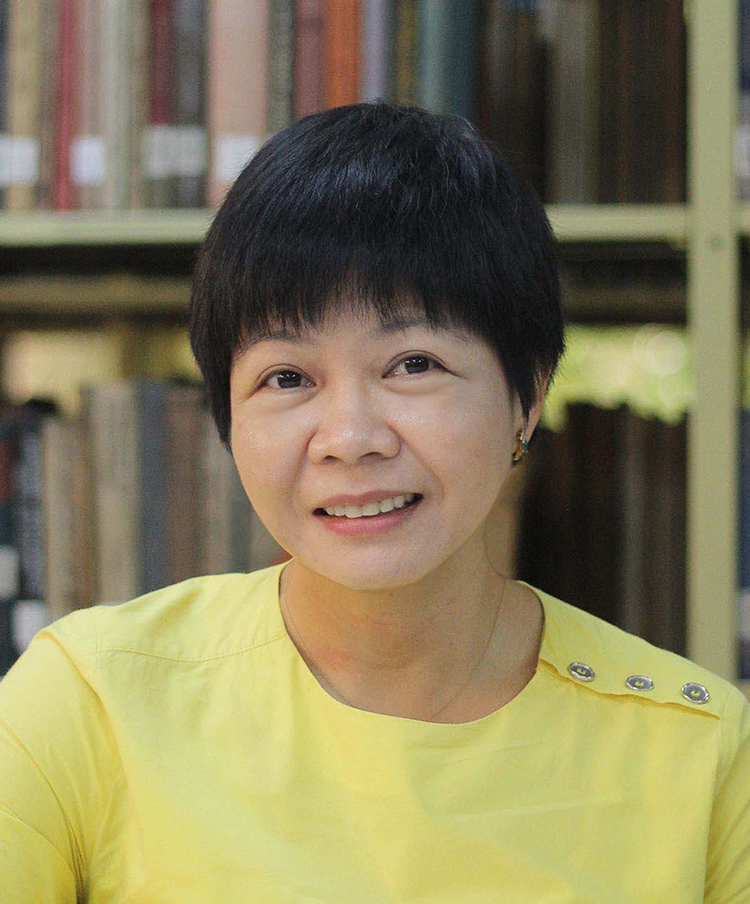
Ma. Mercedes G. Planta, Ph.D.
Professor (On Sabbatical)
Focus: History of medicine in the Philippines and Asia, history of science, and history of Southeast Asia.