Book
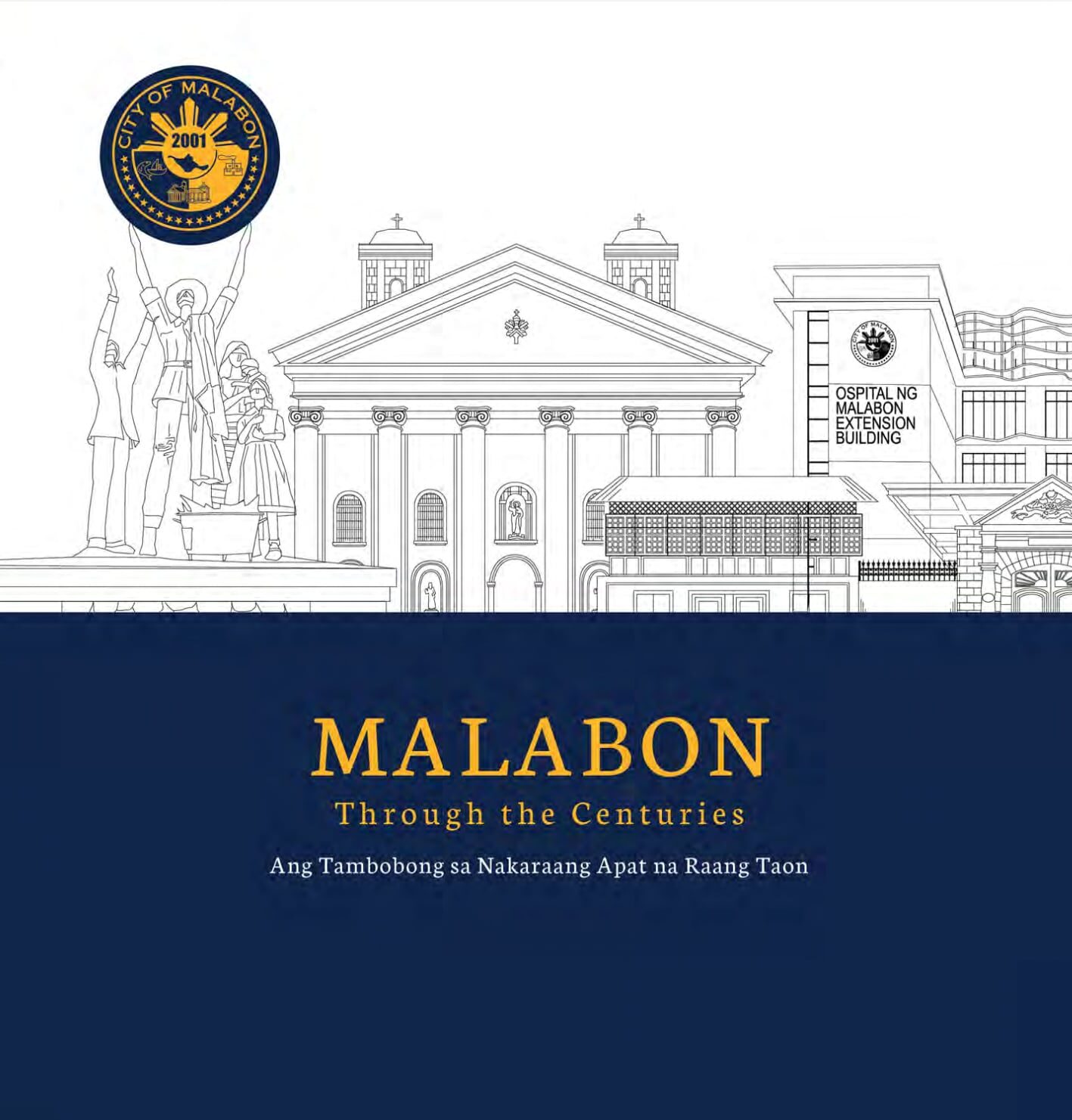
Malabon Through the Centuries: Ang Tambobong sa Nakaraang Apat Na Raang Taon
Abstract
The City of Malabon, presently a highly urbanized city in the northeastern part of Metro Manila, is a 427-year-old town that has witnessed a long history of social change and transformation. From being a thriving native settlement between Manila Bay and its outlet rivers to a religious enclave of Augustinian missionaries, and then a bellwether colonial town outside the Spanish city of Manila, Malabon (or Tambobong in the old days) emerged as a valuable riverside and seaside territory over the past centuries. The town’s political, economic, and religious developments reflect the experiences of many municipalities and cities in the archipelago, and the story of its progress enriches our understanding of our country’s national history.
This book, which focuses on the historical and cultural development of Malabon from the late 16th to the early 20th century, emphasizes the unique, vibrant, sordid, and inspiring events, chronicles, and periods in Malabon’s centuries-old existence. It has twelve chapters and is divided into three parts. The first one, Part A, Geographic and Political Profile, has three chapters that discuss the evolution of Malabon’s geography, the brief histories of its barangays and districts, and a chronology of the town's elected political leaders from the Spanish colonial period to the present. The second part, Part B, The Historical Development of Malabon, 1570s-2000s, has six chapters, which narrate the historical development of Malabon from the early Spanish period in the 16th century up to the early part of the 21st century. Lastly, Part C, Legacies of the Past and Present-day Malabon, has three chapters that detail Malabon’s intellectual, political, and cultural legacies emanating from its peoples, traditions, organization, and institutions, and how the town contributes to nation-building.
This book, which focuses on the historical and cultural development of Malabon from the late 16th to the early 20th century, emphasizes the unique, vibrant, sordid, and inspiring events, chronicles, and periods in Malabon’s centuries-old existence. It has twelve chapters and is divided into three parts. The first one, Part A, Geographic and Political Profile, has three chapters that discuss the evolution of Malabon’s geography, the brief histories of its barangays and districts, and a chronology of the town's elected political leaders from the Spanish colonial period to the present. The second part, Part B, The Historical Development of Malabon, 1570s-2000s, has six chapters, which narrate the historical development of Malabon from the early Spanish period in the 16th century up to the early part of the 21st century. Lastly, Part C, Legacies of the Past and Present-day Malabon, has three chapters that detail Malabon’s intellectual, political, and cultural legacies emanating from its peoples, traditions, organization, and institutions, and how the town contributes to nation-building.
Reach out to the researchers:
Kerby C. Alvarez, Ph.D.
kcalvarez@up.edu.ph