Book Chapter
Populist authoritarianism against the ‘Firewall’ of rights and due process
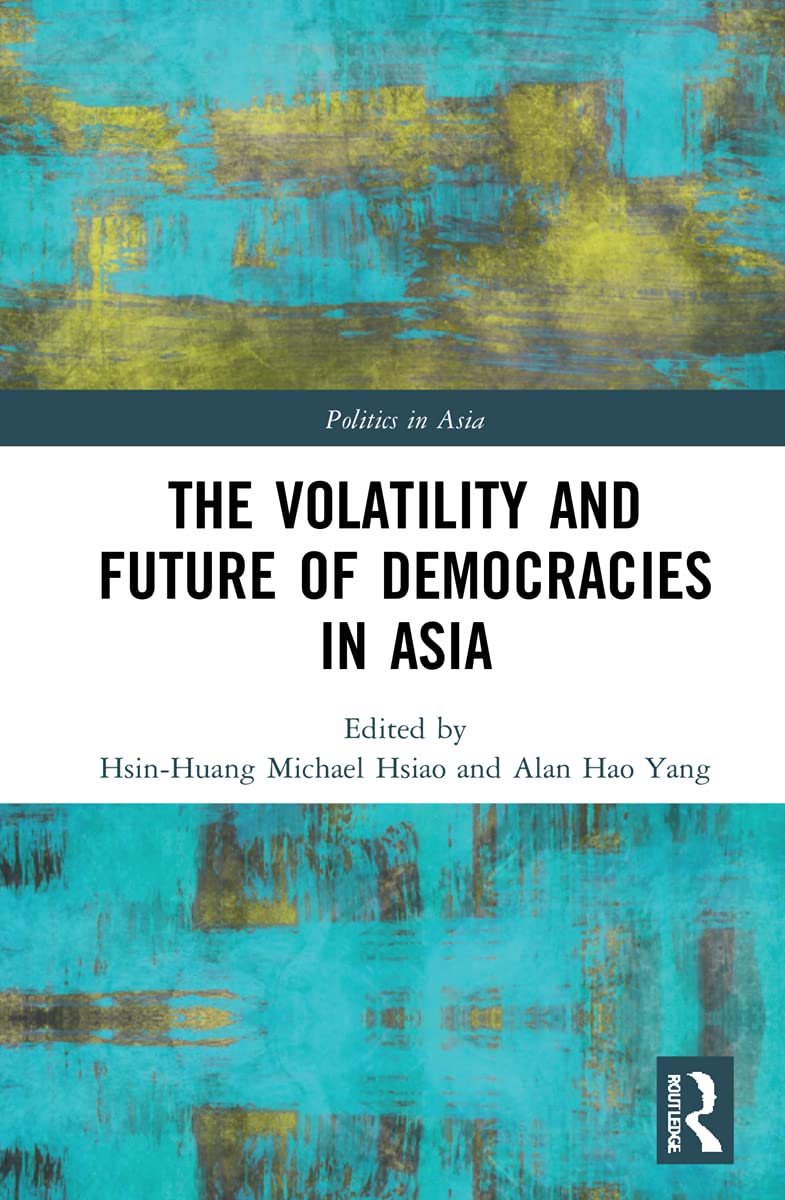
The Volatility and Future of Democracies in Asia
Abstract
Addressing police and military men in his home city of Davao, President Rodrigo Duterte railed against the “firewall … that is the Bill of Rights—due process, right to be heard, lawyer during an investigation, and all of these things. And that is why we can hardly cope up [with drug lords and terrorists]” (Duterte, 2018c). To this “firewall” can be added the International Criminal Court (ICC), which announced early in 2018 that it was conducting a preliminary examination of conditions in the Philippines (International Criminal Court 2018a). Viewed as politically colored, the ICC quickly became the object of presidential ire, starting with Duterte’s instruction to the police not to cooperate with ICC investigators and culminating in his formal withdrawal from the organization on March 17, 2018 (Duterte, 2018d). The “firewall” metaphor not only aptly reflects Duterte’s attitude toward human rights and the rule of law but also hints at the deployment of populism as a political strategy to surmount the wall while remaining a popular leader” “(based on Social Weather Stations, 2017). A populist strategy sits comfortably with traditional Philippine politics, as both owe their popular appeal to promises of an earthly paradise in a land where the incidence of poverty is at 21.6% (as of 2015, Philippine Statistics Authority, 2017). In this chapter, I will demonstrate how populist and traditional political party politics have combined to exert a negative impact on human rights and democratic institutions in the Philippines.
Read the publication
View Publication
Reach out to the researchers:
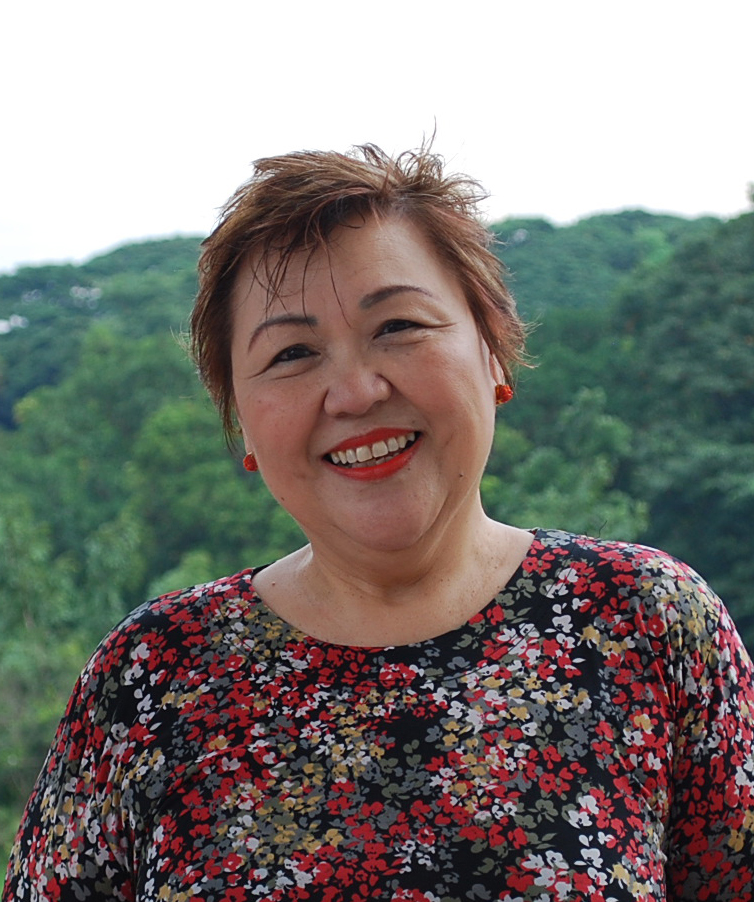
Maria Serena I. Diokno, Ph.D.
maris@diokno.org